
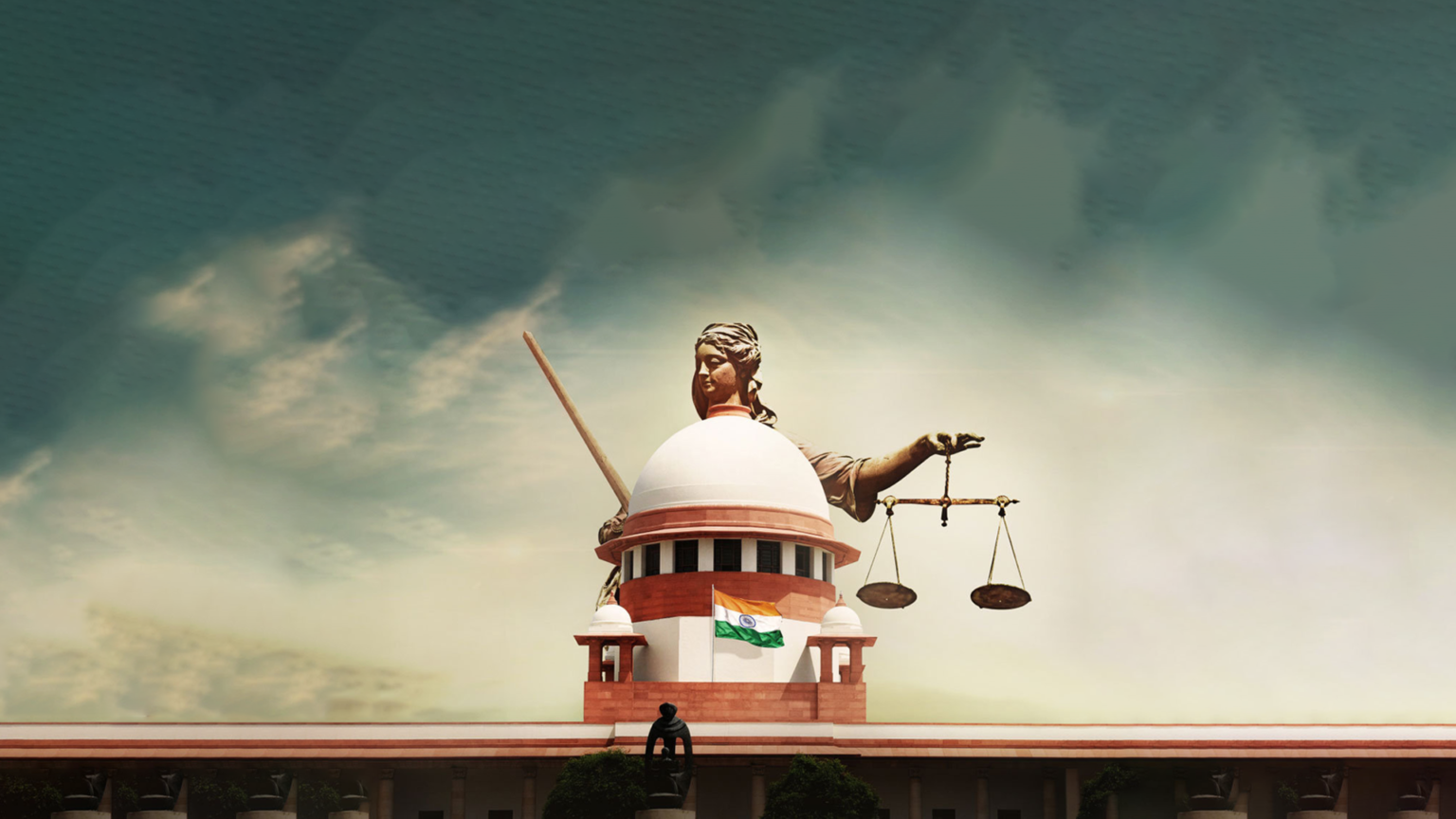
The Evolution of the Indian Judiciary: From Colonial Era to the Present Day
Introduction
The Indian judiciary, one of the world’s oldest legal systems, has undergone a remarkable evolution since its origins during the British colonial period. This journey has shaped India’s courts into institutions that uphold justice, fairness, and equality.
Colonial Foundations
The judiciary’s roots lie in the establishment of the Supreme Court of Calcutta in 1774, followed by High Courts in the Presidencies. These early courts primarily served British interests but laid the groundwork for a structured judicial system.
Post-Independence Transformation
After independence in 1947, the judiciary was transformed. The Supreme Court of India was established in 1950, and the judiciary was envisioned as an independent entity. The courts now had the power of judicial review, enabling them to uphold citizens’ rights against the state.
Key Developments and Reforms
Landmark judgments, such as Kesavananda Bharati vs. State of Kerala (1973), reinforced judicial independence and established the “basic structure doctrine.” Reforms like e-courts and fast-track courts continue to address delays and improve access to justice.
Conclusion
Understanding the judiciary’s evolution allows us to appreciate its pivotal role in shaping Indian democracy and protecting fundamental rights.
Recent Post

Judiciary’s Role in Upholding Human Rights in India
September 17, 2024

Comparative Analysis of Judicial Systems: India vs. Other Countries
August 16, 2024

The Digital Transformation of Indian Courts: Opportunities and Challenges
August 09, 2024

Judicial Accountability and Transparency in India: Need for Reforms?
July 19, 2024

Women in the Judiciary: Achievements and Barriers in India
June 08, 2024